Promoting Physical Activity Through Campus Design and Programs
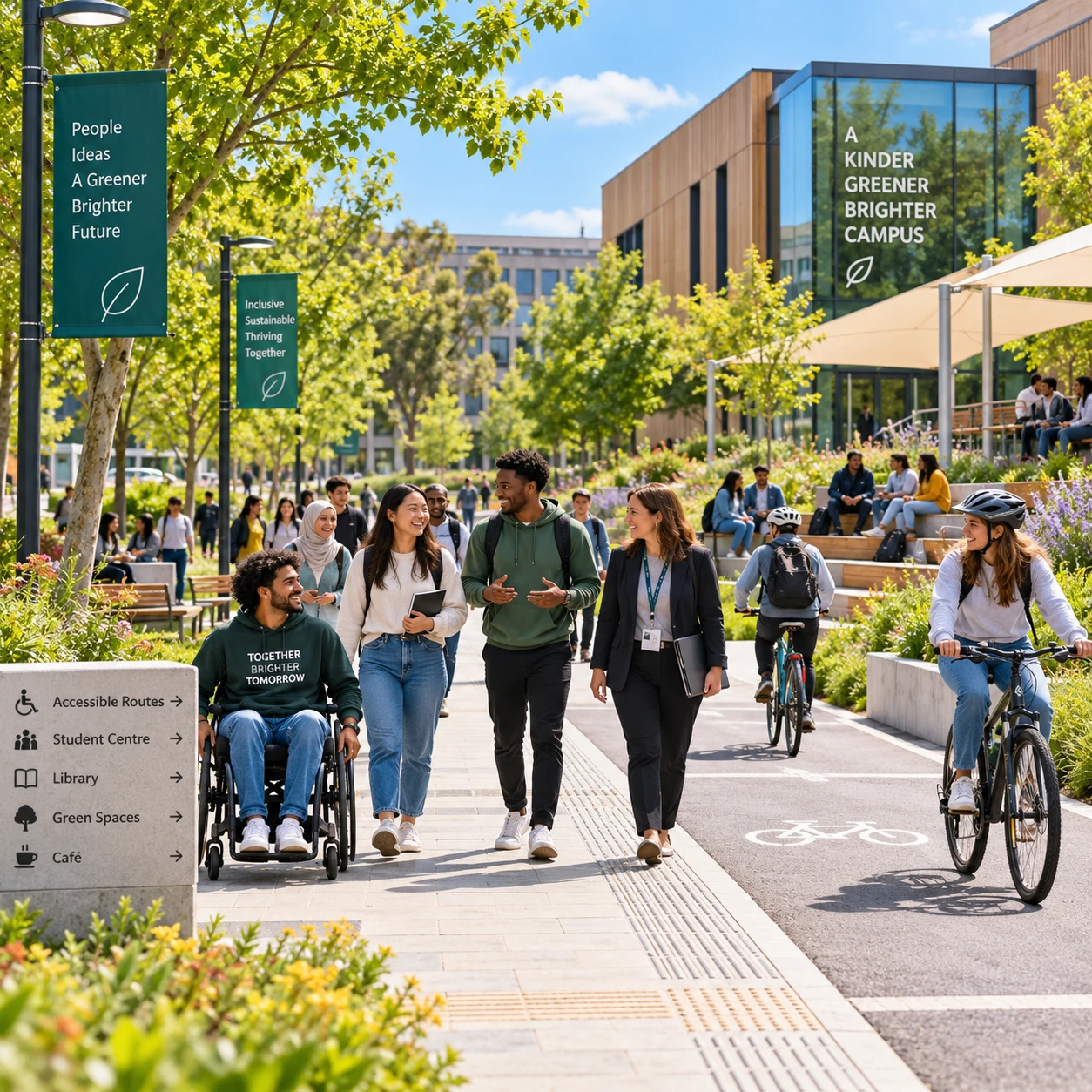
Campus routines can make movement easier or harder. The distance between classes, the condition of a walking route, the availability of bike parking, and the timing of recreation programs all shape whether students and staff can fit activity into a busy day.
Effective campus health promotion treats physical activity as a shared design challenge, not simply an individual choice. When accessible spaces work alongside useful programs and clear communication, more people can find ways to move that suit their needs.
Why physical activity belongs in campus health promotion
Physical activity belongs in campus health promotion because campus environments influence how easily people can build movement into daily routines. Convenient routes and welcoming programs create practical opportunities for students and staff with different schedules, abilities, and interests.
A campus is a network of everyday destinations: classrooms, residences, libraries, dining areas, workplaces, and transit stops. The time and effort needed to travel between them can either support walking and cycling or make those choices less appealing. Small barriers matter, including broken sidewalks, unclear wayfinding, poor lighting, or a lack of secure bicycle parking.
Health promotion can respond by connecting the built environment with ongoing programs. A walking route is more useful when people know it exists; a recreation class works better when its location, cost, and accessibility are clear. The goal is to offer practical choices, not to assume everyone can or wants to exercise in the same way.
Campus plans should also recognize that activity takes many forms. Walking to class, using an accessible path, joining a dance session, gardening, cycling to work, or taking a movement break can all contribute to an active campus culture.
Design spaces that make movement convenient
Active campus design makes walking, cycling, recreation, and outdoor activity safe, comfortable, and easy to find. Prioritize connected routes and useful facilities, then maintain them so movement remains a realistic option throughout the year.
Walkability starts with direct, continuous paths linking the places people visit most. Good route design includes accessible curb cuts, smooth surfaces, safe crossings, lighting, benches, and wayfinding. A route that looks short on a map may be difficult in practice if it includes steep grades, crowded pinch points, or crossings with long waits.
Bicycle infrastructure should support the whole trip. Provide secure, conveniently located bike parking near major destinations, along with connections to local cycling networks where possible. Showers or changing facilities can help some commuters, but they should complement rather than replace safe routes and reliable parking.
- Make stairs visible and appealing: Use clear signs, good lighting, and maintained stairwells. Keep elevators available and accessible; stairs should be an option, never a requirement.
- Support recreation beyond varsity sport: Offer spaces for casual play, open gym time, stretching, and informal games, with clear rules for booking and access.
- Use green spaces well: Provide seating, shade, accessible paths, and places to pause. Outdoor spaces can support quiet breaks as well as active recreation.
Maintenance is part of design. Snow, fallen leaves, construction detours, and damaged surfaces can quickly undermine access. Facilities and grounds teams should have a process for reporting problems and communicating temporary route changes.
Build programs that fit campus life
Physical activity programs support campus routines when they are convenient, varied, and easy to join. Offer options at different times and intensity levels, and connect them to places people already use.
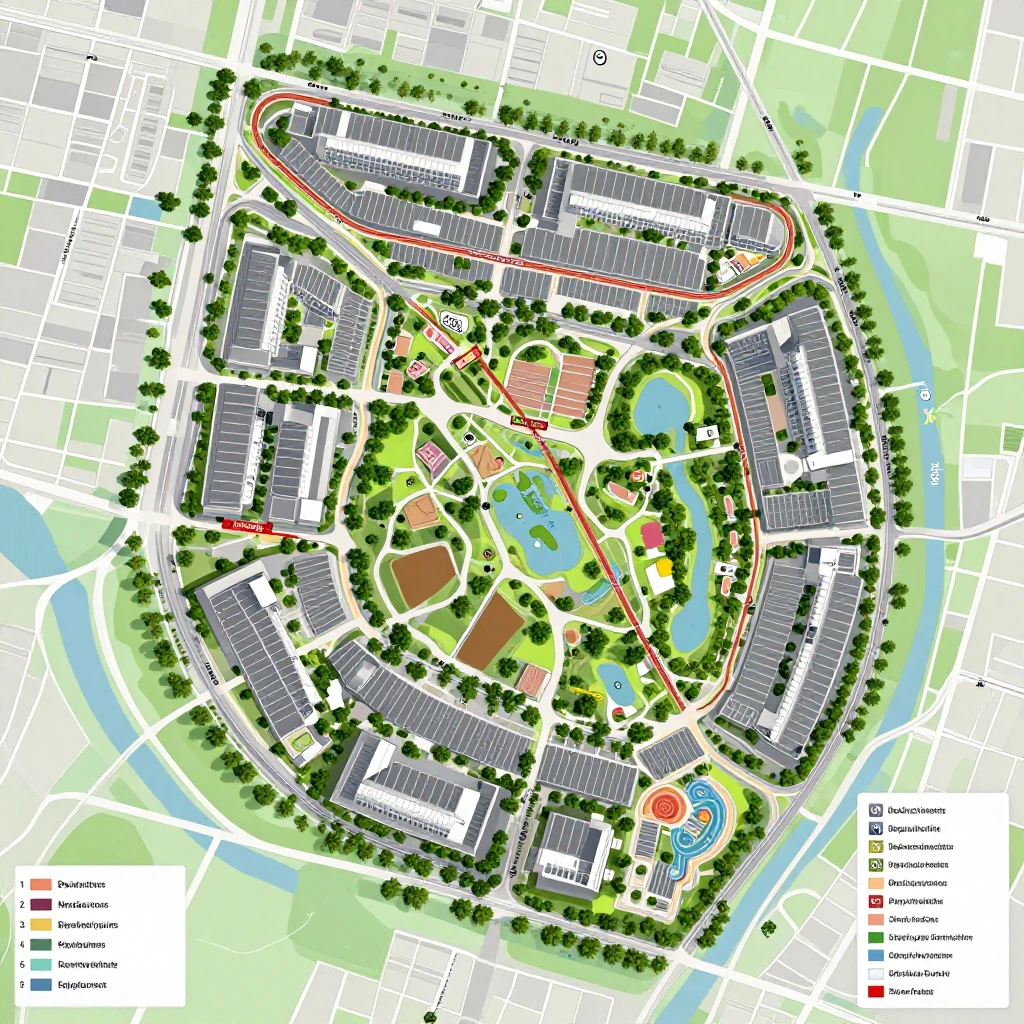
Programs can turn a physical feature into a regular opportunity. A marked walking loop becomes more inviting with a lunchtime walking group; an open outdoor space can host short movement sessions between classes. Keep sign-up simple, state what participants should expect, and offer a way to attend without committing to a full term.
- Walking initiatives: Organize guided walks, step-free route tours, or informal meet-up times. Share distance, surface, seating, and accessibility details in advance.
- Recreational classes: Offer activities such as dance, yoga, strength basics, or adapted recreation. Provide beginner-friendly instruction and explain any equipment or fees.
- Active events: Include movement in orientation, wellness weeks, staff events, and campus celebrations. Build in low-impact and noncompetitive ways to take part.
- Everyday movement prompts: Share short stretch breaks or route suggestions through class, workplace, and student channels without implying that brief breaks replace other activity.
Timing and location are as important as the activity itself. A class across campus with a narrow start window may be unrealistic for someone moving between lectures or working a shift. Test different time slots, use nearby spaces where feasible, and make registration and cancellation policies clear.
Programs also need continuity. A one-day event can raise awareness, but recurring opportunities help people form routines and give organizers time to learn what works. Partnerships with recreation services, student groups, academic departments, and staff associations can share expertise and reduce duplication.
Make opportunities inclusive and accessible
Inclusive campus physical activity offers meaningful choices to people with different abilities, schedules, budgets, cultures, and confidence levels. Accessibility needs to be considered in both the physical environment and the way programs are planned and delivered.
Start by asking who may be left out. A route could be technically open yet difficult for wheelchair users because of steep slopes or uneven pavement. A group activity may feel intimidating to beginners if its description assumes prior experience. Cost, language, religious or cultural considerations, sensory conditions, and caregiving responsibilities can also affect participation.
Build access into the details: publish step-free routes and restroom information, provide seating and rest breaks, describe the expected pace and intensity, and offer modifications where possible. When a program requires equipment, consider loan options or low-cost alternatives. Make contact information available for accommodation questions, and allow people to participate without having to disclose personal information publicly.
Confidence matters, too. Use welcoming descriptions such as beginner-friendly, noncompetitive, or drop-in when accurate. Train instructors and volunteer leaders to offer choices without singling people out. Gather feedback directly from disabled students and staff, and compensate or otherwise support community members who contribute substantial planning expertise.
There are trade-offs. A single large event may be easier to staff, while smaller sessions at varied times can reach people who cannot attend one central gathering. Use both formats where resources allow, and be explicit about what each can and cannot accommodate.
Promote participation across campus
Campus participation improves when people hear about opportunities through trusted channels and can see how to take part. Clear communication, campus partnerships, and community input help connect facilities and programs with the people they are meant to serve.
Use more than one communication route: student and staff newsletters, learning platforms, residence and department networks, posters near relevant facilities, and campus recreation channels. Keep messages practical. Include the activity, location, time, cost, accessibility details, registration steps, and a contact for questions.
Partnerships make promotion more relevant. Student associations can identify barriers in daily routines; disability services can advise on access; facilities teams can explain planned work; and recreation staff can help deliver safe, well-run sessions. Invite these groups early rather than asking them to endorse a finished plan.
Community involvement should shape decisions, not just publicity. Hold brief listening sessions or use a short survey to learn which routes feel unsafe, what program times are workable, and which spaces people already use. Then report back: explain what will change, what cannot change yet, and why. That follow-through builds trust and helps prevent repeated consultation with no visible result.
Evaluate and improve initiatives
Evaluate campus physical activity initiatives by tracking participation, access, space use, and participant experience over time. Combine straightforward counts with feedback so decision-makers can see both what is being used and who may still face barriers.
Begin with a small set of questions tied to the initiative. For a walking program, record attendance, repeat participation, preferred times, and reasons people stop attending. For a redesigned route, review observed use at different times, maintenance reports, and feedback about safety and accessibility. Avoid treating attendance alone as proof of impact: low turnout might reflect poor timing or communication rather than lack of interest.
- Participation: Track registrations, attendance, repeat visits, and cancellations, while protecting personal information.
- Access: Ask whether the location, cost, route, schedule, and activity format worked for participants.
- Space use: Use periodic observations or available facility data to understand when and how spaces are used.
- Experience: Gather short, optional comments about what helped, what created friction, and what people would change.
Set a review date before launch, such as after the first term or a defined pilot period. Compare results with the initiative’s purpose, share findings with partners, and make one or two specific adjustments. If people report that a route is inaccessible, fix the barrier before spending more effort promoting it. Evaluation is most useful when it changes the next decision.
When resources are limited, start with a manageable pilot: improve one high-use route, offer a recurring beginner-friendly activity, and collect feedback through a short survey and a few conversations. Scale what proves useful, adapt what shows promise, and stop or redesign efforts that do not meet community needs.